The Mary Anning Experts
The Home of Mary Anning
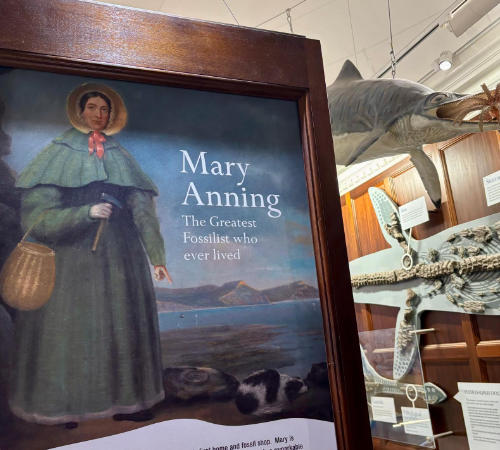
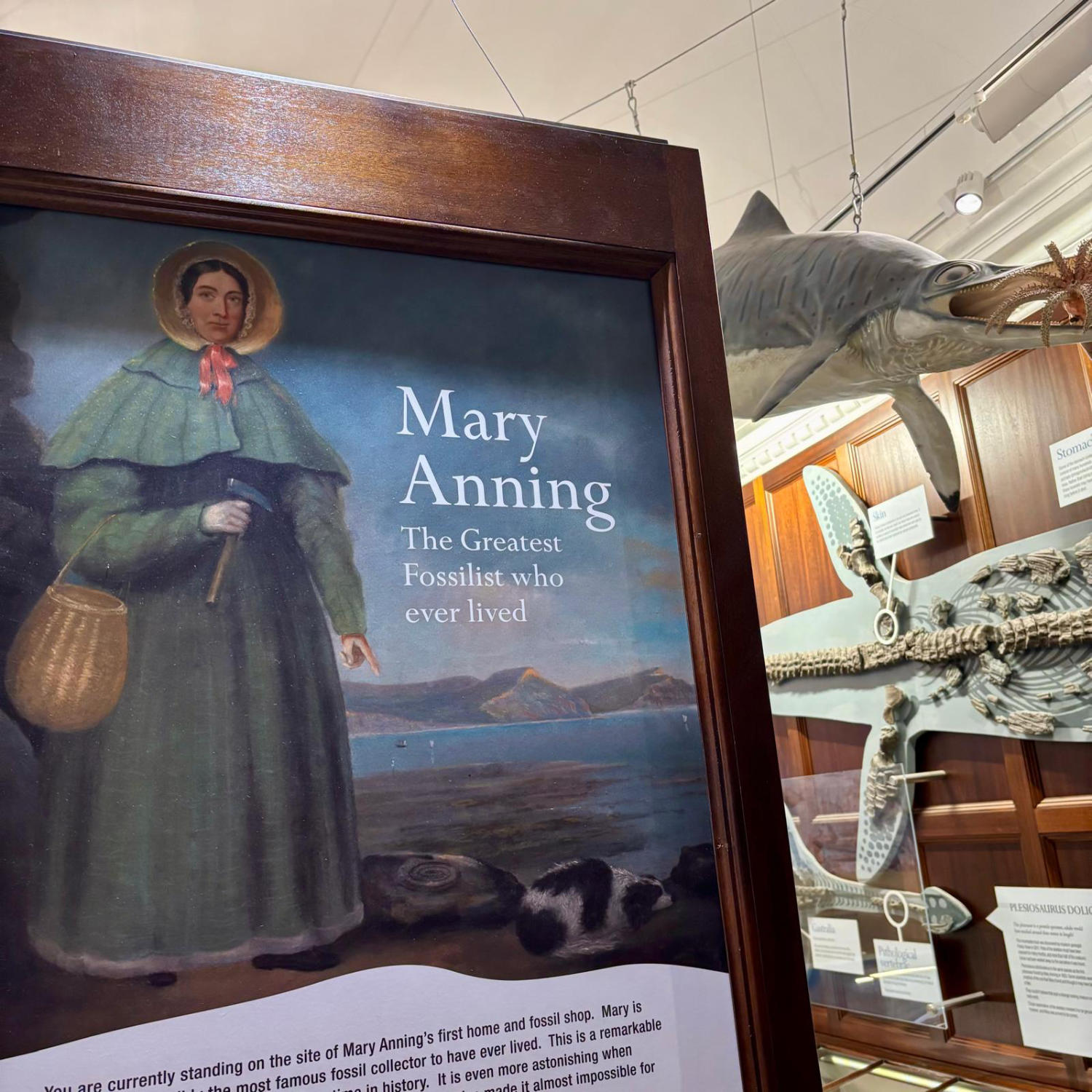
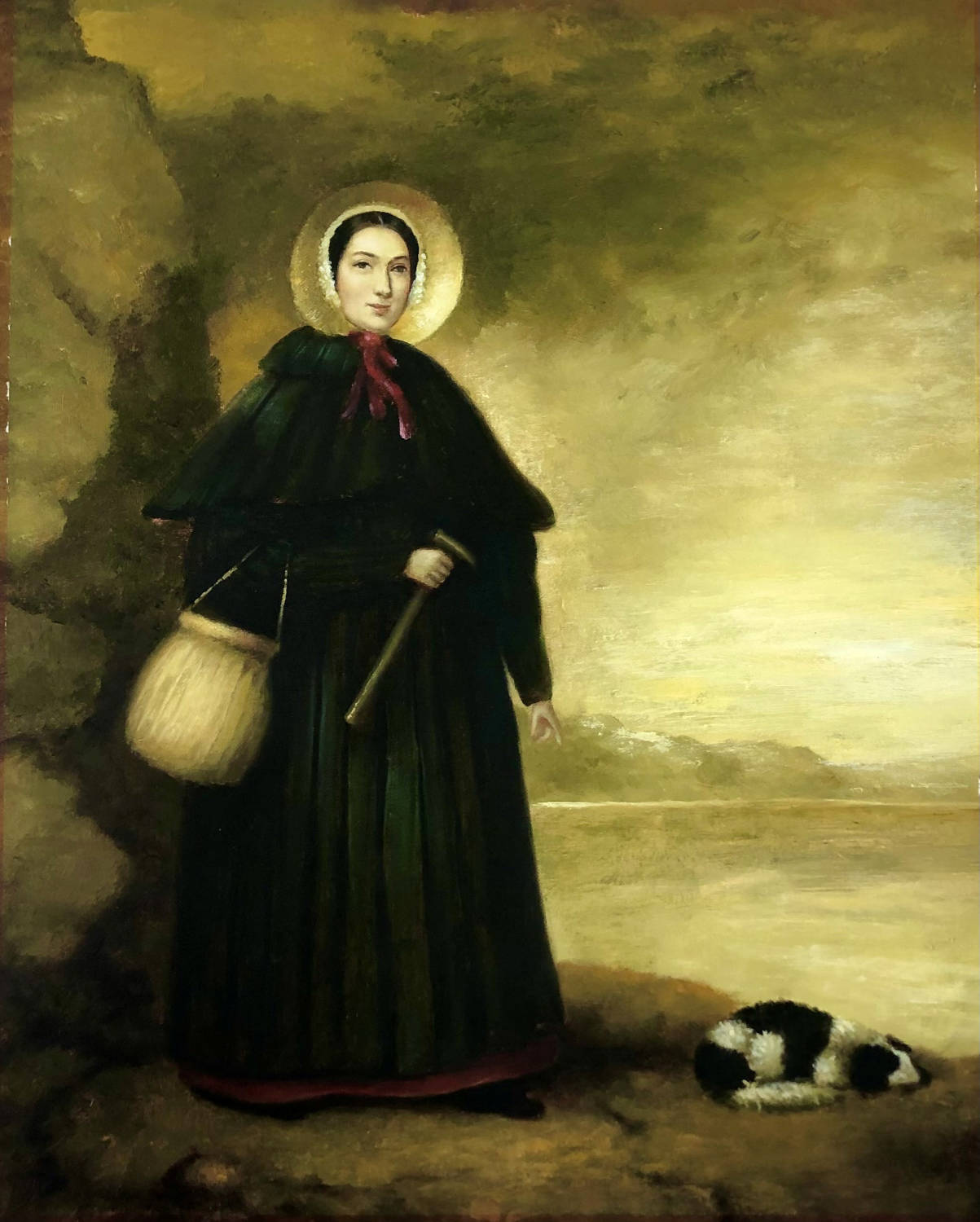
At Lyme Regis Museum we pride ourselves on being the experts when it comes to Mary Anning.
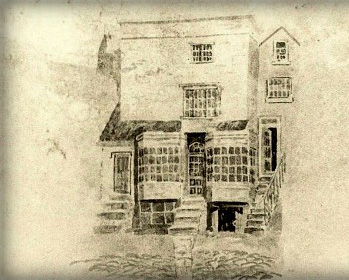
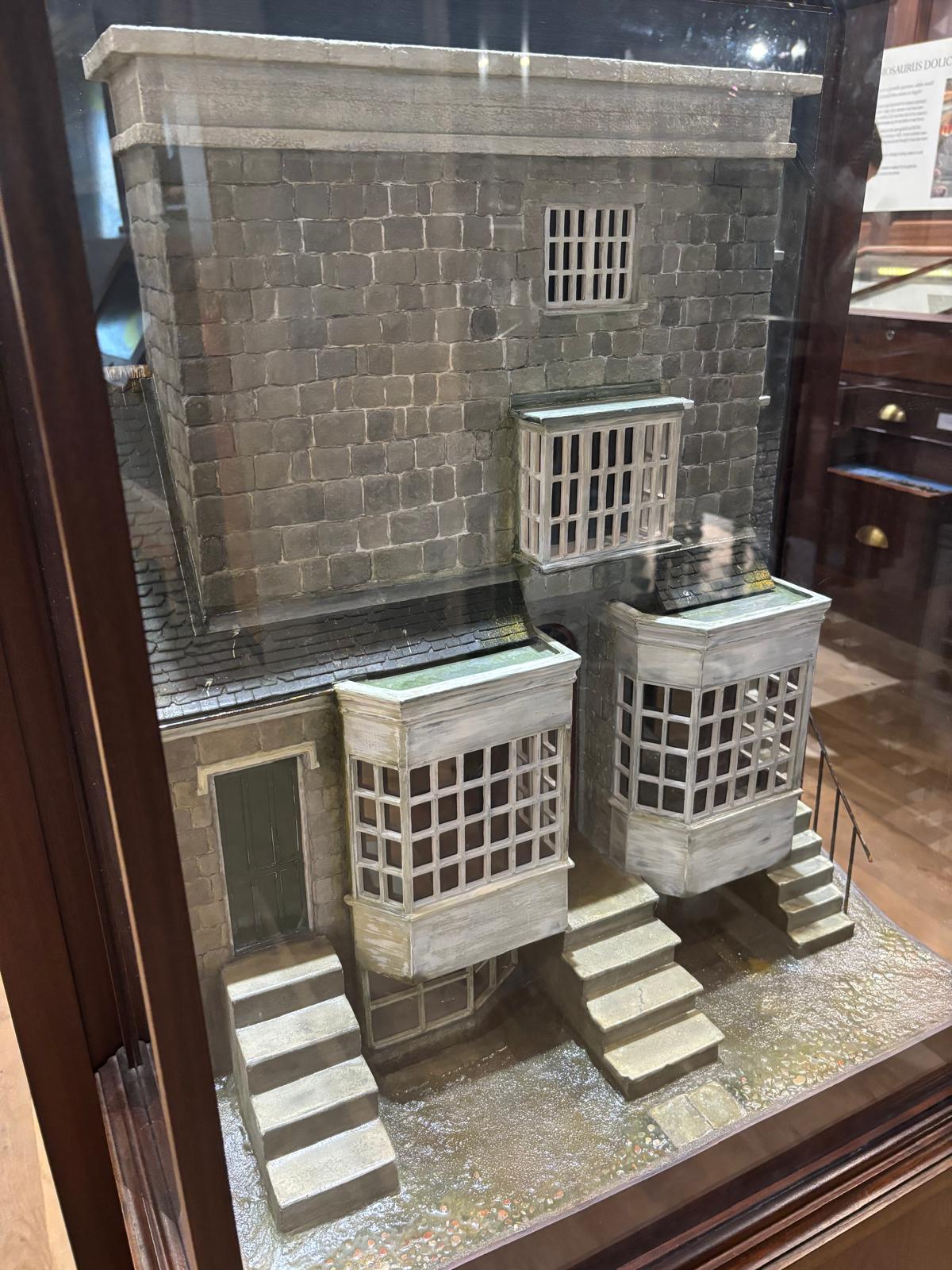
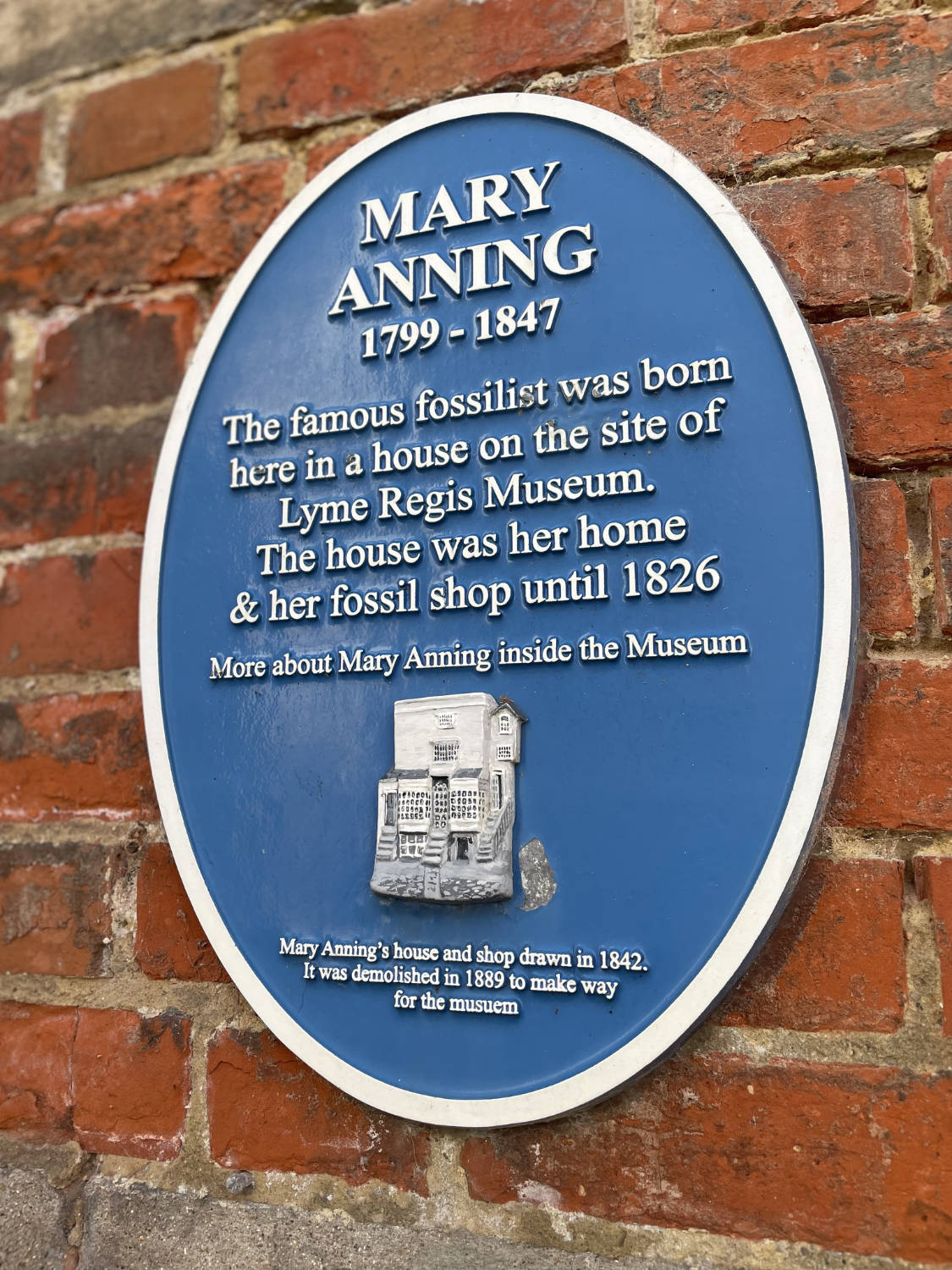
Did you know that the museum is built on the site of her former home and fossil shop? So, when you visit the museum, you will be standing where Mary Anning herself stood, looking out at the same stunning view of Lyme Bay and the cliffs. Much of the seafront also remains as it would have been in her day.
Early life and a miraculous survival
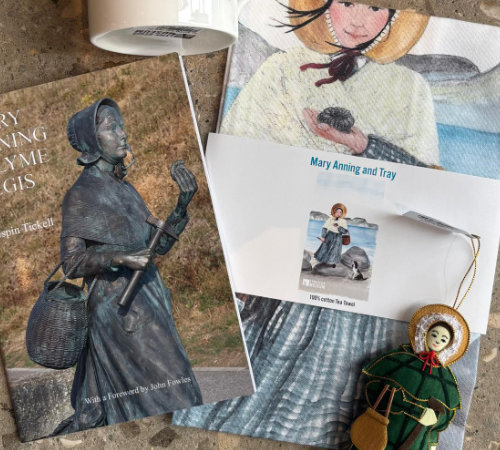
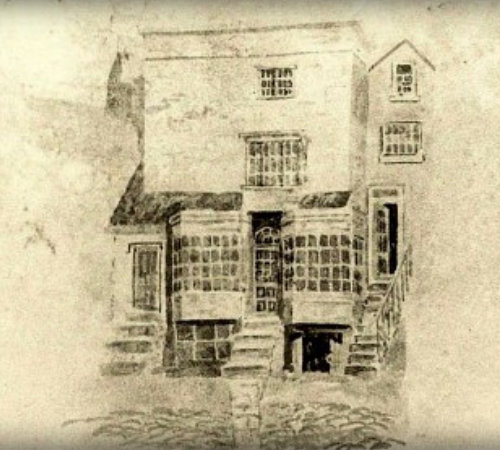
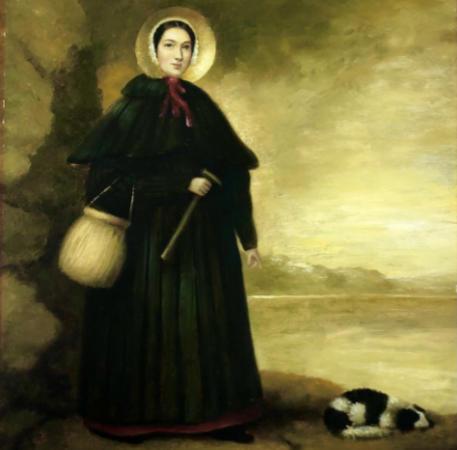
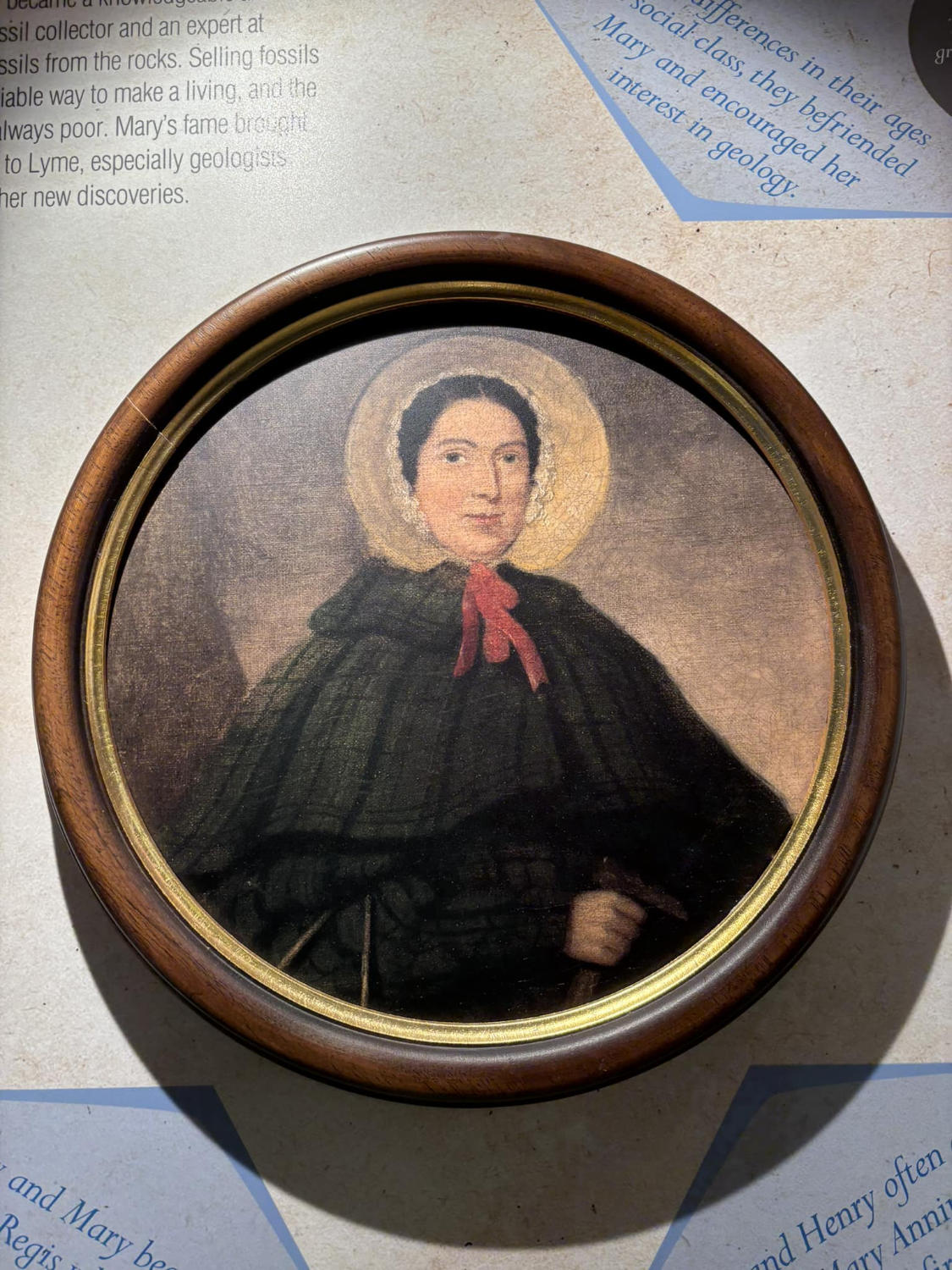
Mary Anning was born in 1799 and grew up in a house that once stood on the site of Lyme Regis Museum. At just 15 months old, she narrowly survived a lightning strike that killed her nurse and two others sheltering beneath a tree. Her family later said the experience transformed her; she became “lively and intelligent and grew up so.”
Learning the craft of Fossil Hunting
Mary’s father, a carpenter and cabinet maker, supplemented the family’s income by collecting fossils from Lyme’s beaches and cliffs. He taught Mary and her brother Joseph how to find and prepare specimens.
Though she had little formal education, Mary learned to read and write at the Independent Chapel on Coombe Street (now Dinosaurland Museum) and benefited greatly from the friendship of the Philpot sisters, enthusiastic fossil collectors who encouraged her scientific curiosity.
Fossils and curiosities of the early 1800s
In Mary’s time, fossils were viewed as curiosities, nicknamed “devil’s toenails,” “verteberries,” and “ladies’ fingers.” Some believed they were creatures left out of Noah’s Ark or animals still living in distant lands. As scientific thought began to shift towards understanding evolution and the Earth’s deep history, interest in fossils grew rapidly. The Anning family capitalised on this fascination, selling their finds to visitors from a table outside their home.
The discovery that changed everything
After her father’s death in 1810, Mary helped support her family by continuing to collect fossils.
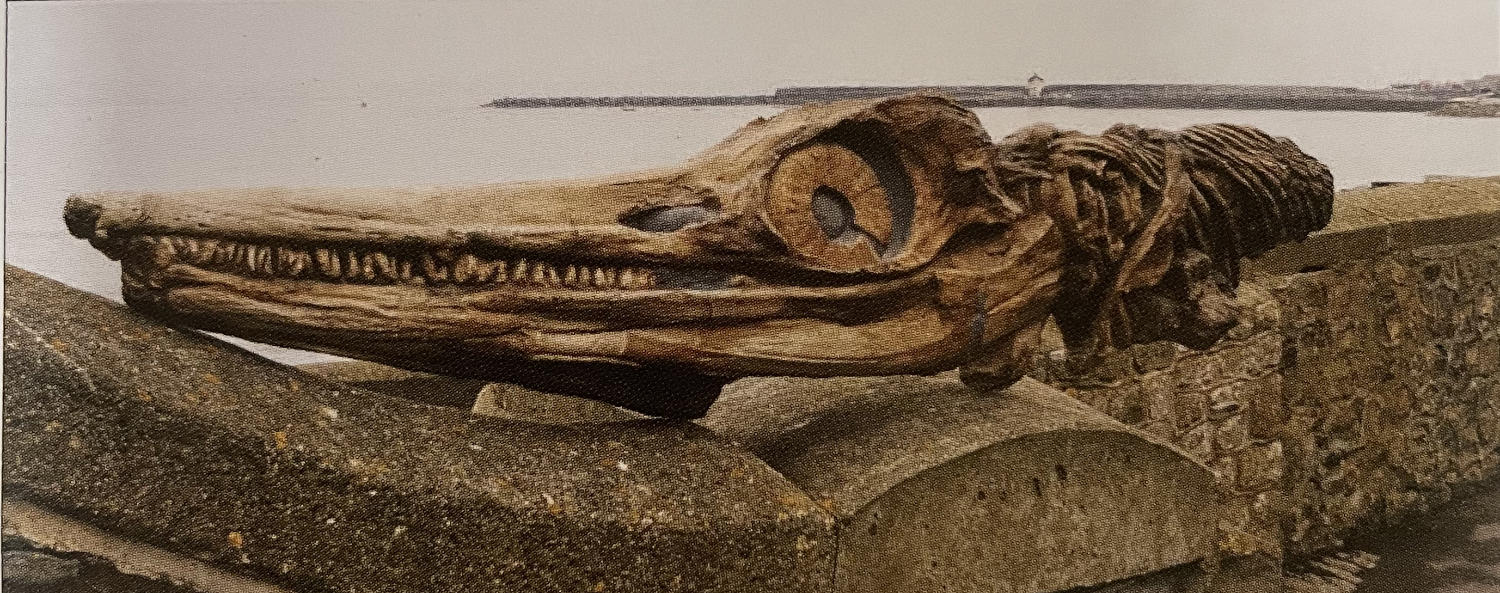
The following year, Joseph discovered an enormous skull beneath Church Cliffs, and Mary painstakingly uncovered the rest of the skeleton, a five-metre-long creature later named Ichthyosaurus (“fish-lizard”). The sale of the specimen for £23 brought vital income and established Mary’s reputation as a fossil hunter.
Groundbreaking finds and growing recognition
Throughout the 1820s, Mary made a series of remarkable discoveries:
- The first complete Plesiosaurus (1823)
- Britain’s first Dimorphodon (a flying reptile, 1828)
- A new fossil fish, Squaloraja (1829)
- A new species of plesiosaur (1830)
She also correctly identified coprolites as fossilised animal dropping, an insight later confirmed by scientists.
Struggles and legacy
Despite her fame, Mary’s income remained precarious. She and her mother endured periods of hardship and relied on local patrons’ support. Many eminent geologists and palaeontologists sought her expertise, but few acknowledged her contributions in print. Only two species were named after her during her lifetime.
Mary died of breast cancer in 1847, aged 47. The Geological Society, which did not admit women until 1919, later honoured her with a stained-glass window in St Michael’s Church in Lyme Regis, near her grave. Many of her discoveries now reside in the Natural History Museum, London, though often credited to those who purchased them.
Learn more about Mary on your visit
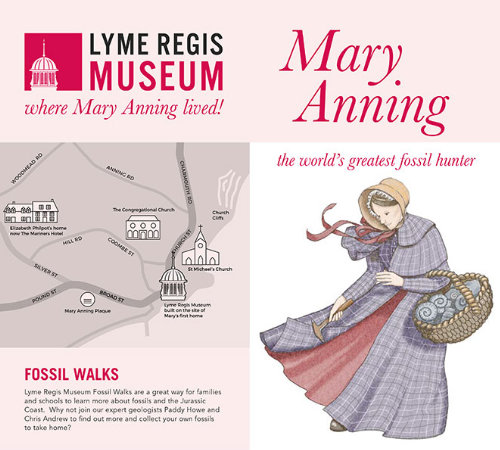
Find out more about Mary’s amazing life and discoveries in our celebrated Geology Gallery. If you are visiting with children, you can learn all about Mary with our Museum Trail which is available at Reception as part of the admission ticket.
After your visit why not follow in Mary Anning’s footsteps and go fossil hunting on the beach! Our guided fossil walks are the best way of finding out more about Mary Anning and the fossils you can find along the Jurassic Coast.
More Mary Anning sites in Lyme Regis
After you have visited the museum, why not visit the other sites in the town linked to Mary Anning:
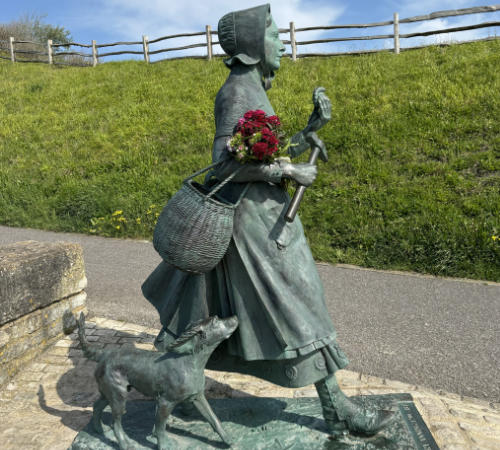
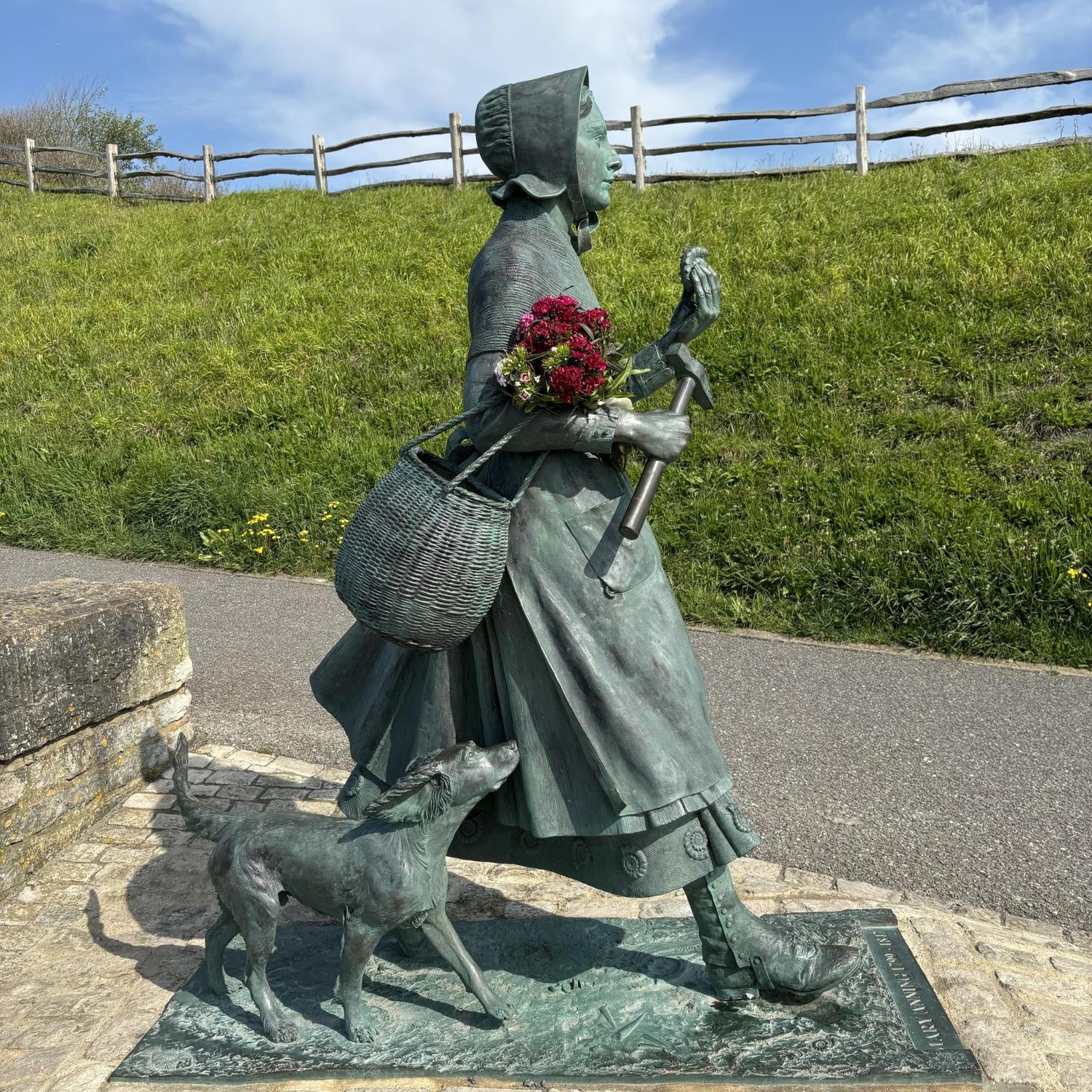
- Mary Anning statue – a short walk along the promenade towards Church Cliff. Children – see how many ammonites you can count on the statue!
- Mary’s grave and the beautiful stained-glass window that commemorates her life – St. Michael’s Church, Lyme Regis
- The Independent Chapel where Mary went to school – now ‘Dinosaurland’ on Coombe Street
- The site of Mary’s fossil shop (after moving on from her home) – now Tenovus Charity Shop, Broad Street
- The home of Mary’s friends the Philpot sisters – now The Mariners Hotel, Lyme Regis
School/Group visits
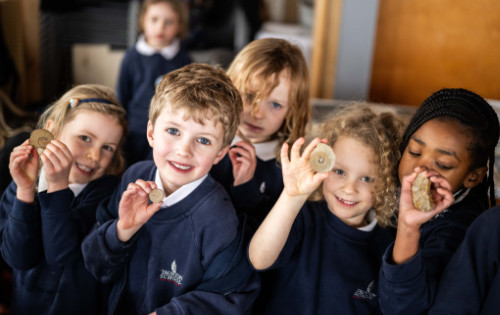
If you are looking to bring a group on an educational visit to the museum to learn about Mary Anning and the geology of the Jurassic Coast, we offer various options for a range of ages.
Find out more here or email us at museum@lymeregismuseum.co.uk.